"How much will it cost?" usually comes straight after "how long will it take?", and the honest answer is the same: it depends. Two buildings of the same size can cost very different amounts. Here is what makes the difference, so you can plan with your eyes open.
What moves the cost
Size and shape
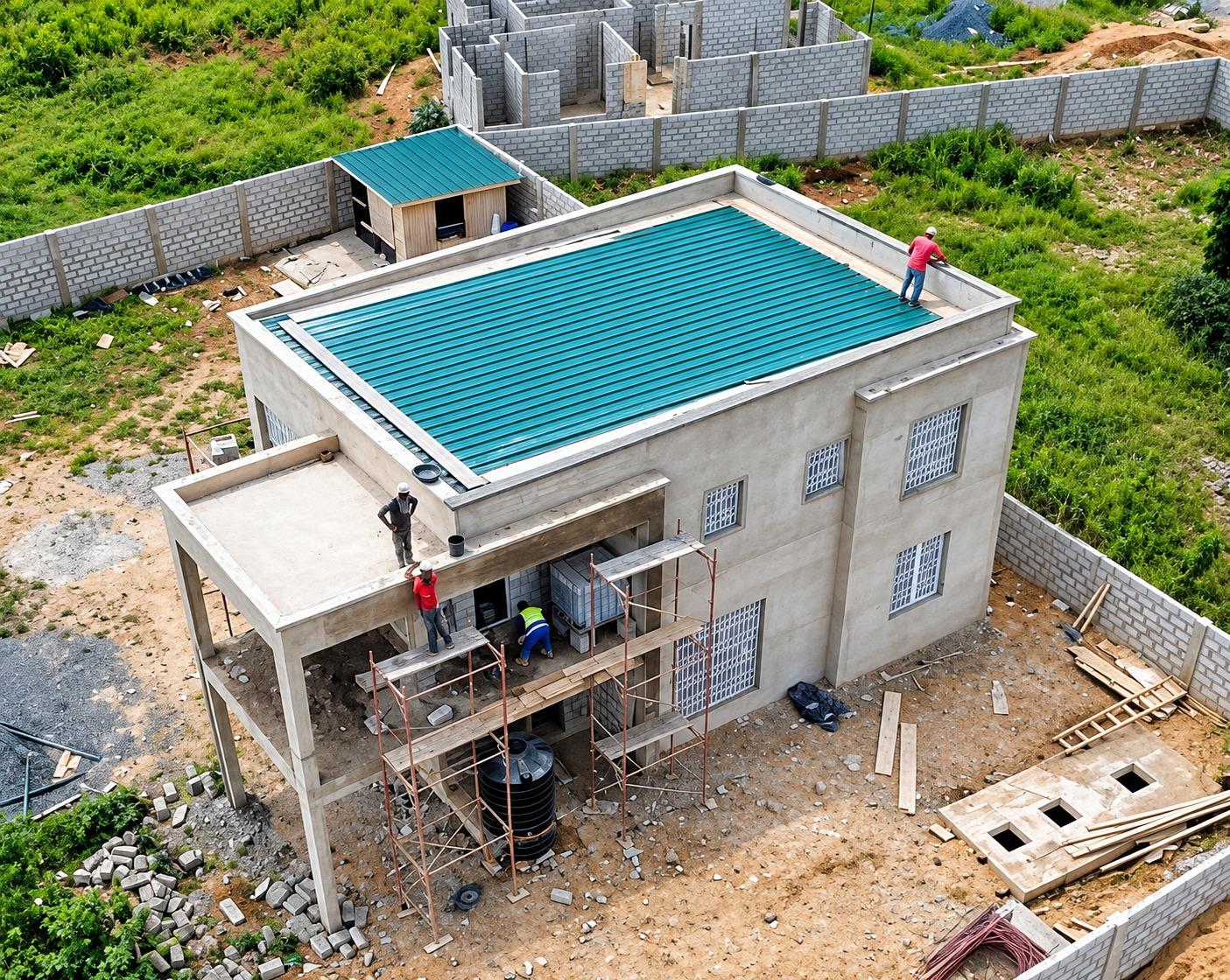
Floor area is the starting point, but shape matters too. A simple rectangle is cheaper to build than a design with many corners, levels and cantilevers, because it uses less material, less formwork and less labour.
The ground
Firm, level ground is the cheapest to build on. Soft soil, a slope, rock or a high water table all change what the foundations need, and foundations are one of the costs you cannot see once the building is finished.
The specification
This is where the biggest differences come from. The structure might cost much the same between two houses, while the finishes are worlds apart. Tiles, sanitary fittings, kitchen units, windows, doors and ceilings can be modest or premium, and the choice is yours.
The type of building
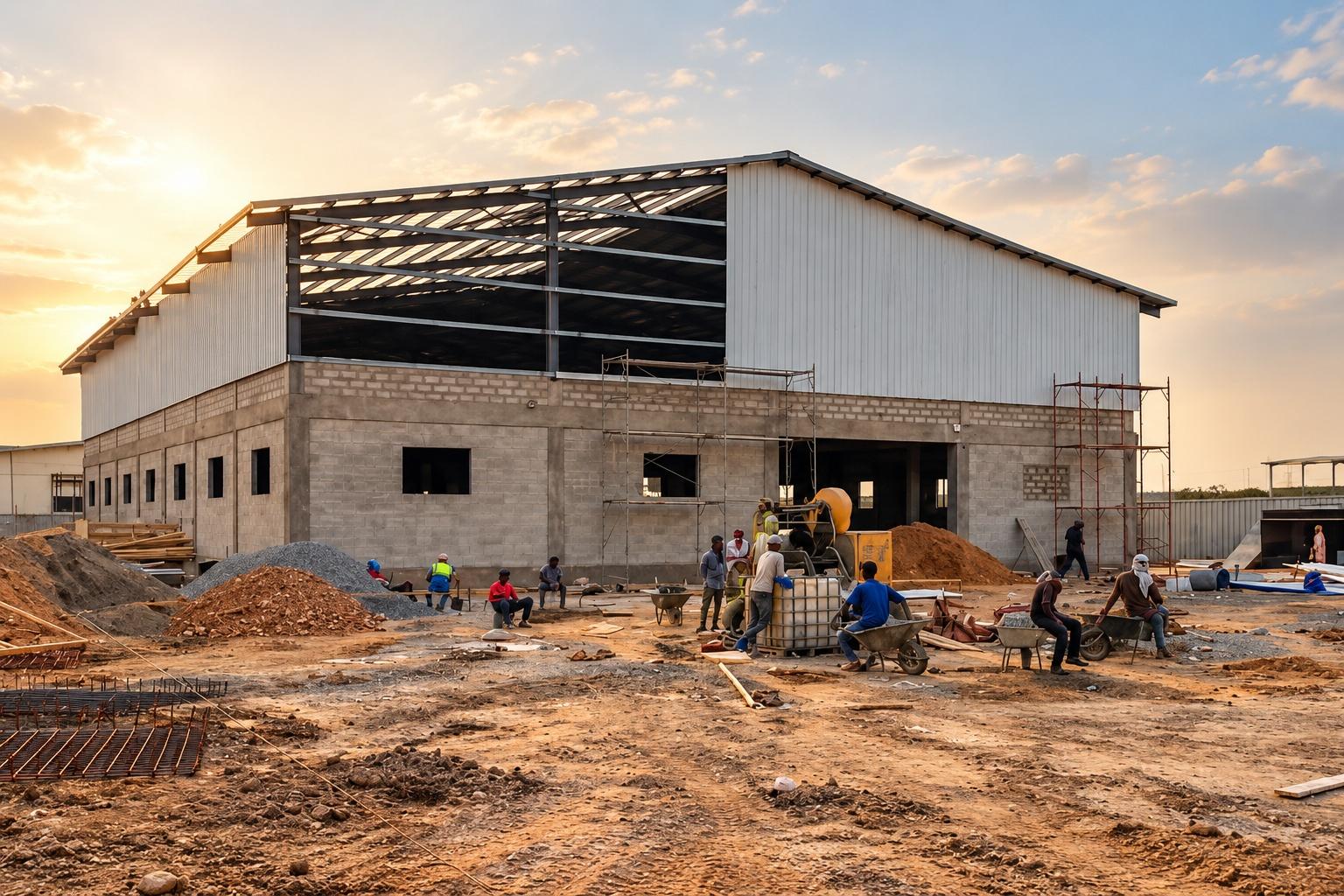
A home, an office, a school, a warehouse and a factory are priced differently because they are built differently. A steel warehouse with a heavy-duty floor has a very different cost profile from a family house of the same area.
Location and access
Distance from Accra and Tema affects transport for materials and crew. Sites that are hard for trucks to reach cost more to supply.
Materials and the exchange rate
Many construction materials are imported or priced against the dollar, so costs move with the cedi. A price agreed today is worth more than a guess about next year.
Services and external works
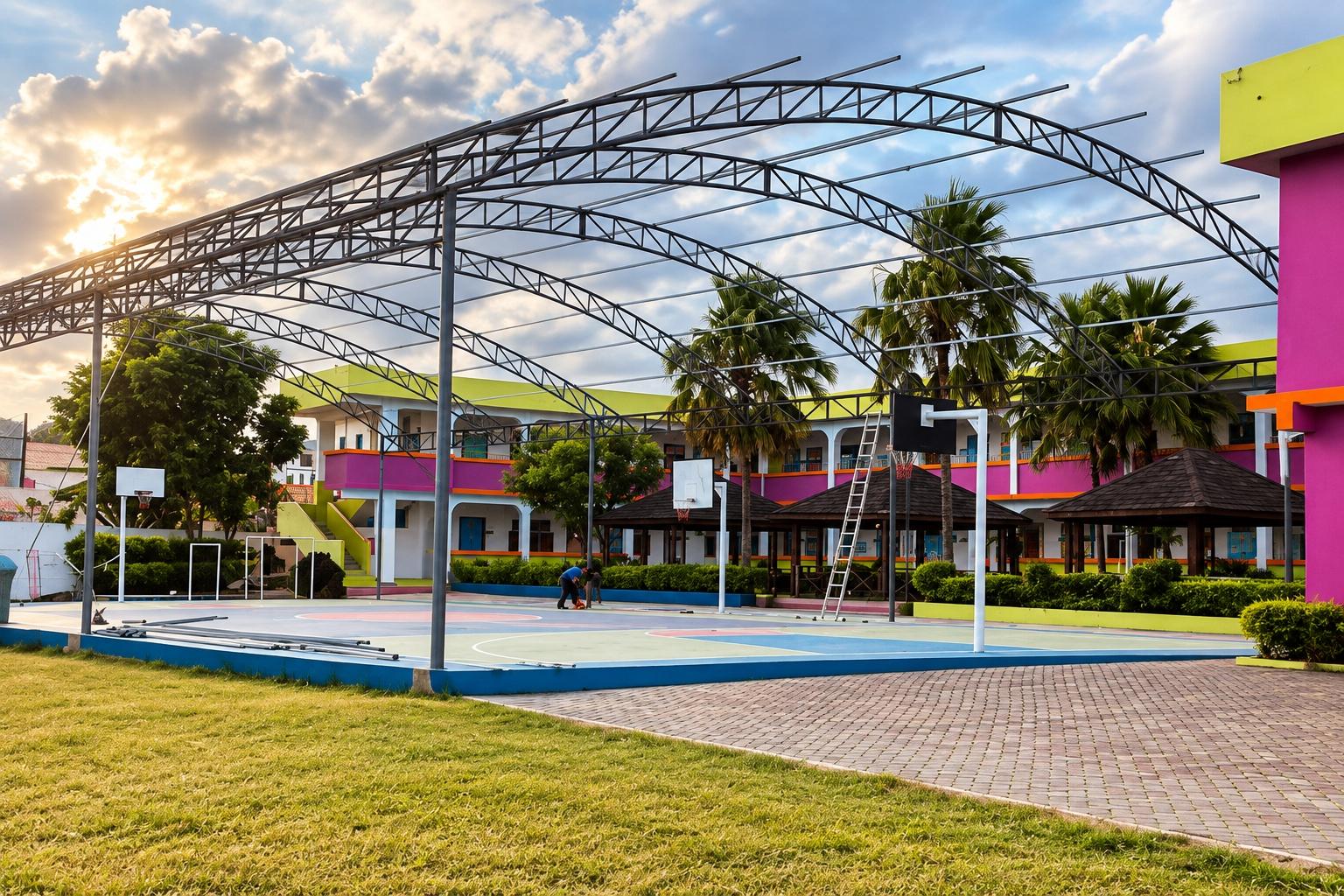
Electrical and plumbing work, a borehole, a septic system, fencing, gates, paving and drainage are easy to forget when budgeting, but they are real costs.
How to keep the cost under control
- Finish the design before you start. Changes during construction are the most expensive changes there are.
- Choose finishes early. Decisions made late are made in a hurry, and usually at a higher price.
- Fund the work steadily. Stopping and restarting a project costs money, because crews remobilise and materials sit exposed.
- Get a fixed price. A contractor who commits to a fixed price for an agreed scope is taking the risk off you.
Get a first figure in a minute
We built a cost estimator so you can see a starting range for your project straight away: a home, offices or shops, a warehouse or factory, and more. It uses current rates set by our team. Treat the result as a first figure for planning, not a quote.
Then get a real price
For a price you can sign, we visit the site, agree the scope with you, and give you a fixed price and a fixed timeline before any work starts. See the kind of work we price on our services page, or send us an enquiry with your drawings or just the idea.